
Condition overview

What is erectile dysfunction?
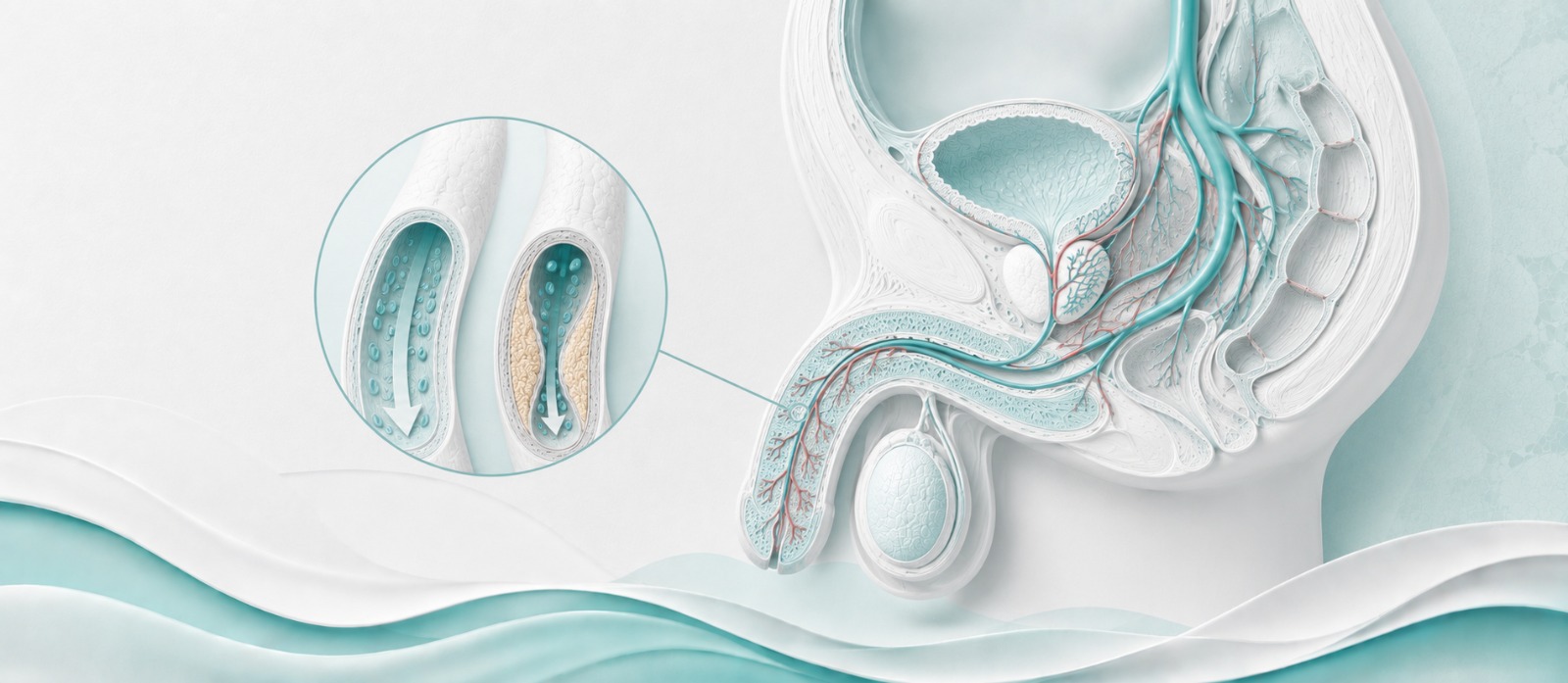
Erectile dysfunction, also called ED, means difficulty getting or keeping an erection firm enough for satisfactory sexual activity. Occasional erection difficulty can happen to many men, but repeated or worsening symptoms should be evaluated.
The bottom line: ED is not only a sexual problem. It can be an early signal of diabetes, high blood pressure, cholesterol issues, heart disease, low testosterone, medicine side effects, stress, poor sleep, smoking, alcohol use, obesity, or nerve and blood-flow problems.
Erectile dysfunction treatment should not begin with random pills or online medicines. The safer first step is to understand whether the problem is mainly physical, psychological, lifestyle-related, medicine-related, hormonal, or mixed.
Dr Vikram Barua Kaushik reviews ED symptoms privately and checks the patient’s health history, medicine use, diabetes and heart risk, hormone concerns, urinary symptoms, and treatment expectations before suggesting the next step.
Erectile dysfunction symptoms
Common erectile dysfunction symptoms include weak erection, difficulty getting an erection, erection that does not last long enough, reduced morning erections, loss of confidence, or avoiding intimacy because of fear of failure.
Some men can get an erection during sleep or masturbation but not during intercourse. This may suggest stress, anxiety, relationship pressure, or performance anxiety, though physical causes can still be present.
Other men notice a gradual decline over months or years, especially with diabetes, blood pressure, smoking, obesity, cholesterol problems, heart disease, prostate treatment, pelvic surgery, or long-term medicine use.
Common causes of ED
ED can happen when blood flow to the penis is reduced, nerve signals are affected, hormones are low, or the brain’s arousal response is disturbed by stress, anxiety, depression, fatigue, or poor sleep.
Physical causes include diabetes, high blood pressure, cholesterol problems, heart disease, obesity, low testosterone, thyroid imbalance, kidney disease, neurological disease, pelvic injury, prostate surgery, and some medicines.
Psychological and lifestyle causes include work stress, relationship conflict, fear of failure, smoking, heavy alcohol use, lack of exercise, poor sleep, and repeated self-checking during sex.
When to consult a urologist
Consult a urologist if erection difficulty lasts more than a few weeks, is getting worse, affects confidence, causes relationship stress, or is associated with low desire, ejaculation problems, pain, penile curvature, urinary symptoms, or infertility concerns.
Men with diabetes, high blood pressure, chest pain, heart disease, obesity, smoking history, or high cholesterol should not treat ED casually. ED can sometimes appear before obvious heart symptoms.
You should also consult before using erectile dysfunction pills if you take heart medicines, nitrates, blood pressure medicines, or have been advised to avoid sexual activity because of heart risk.
Diagnosis and tests
ED diagnosis usually starts with a private discussion. The doctor asks when the problem started, whether morning erections are present, whether erection is possible in some situations, and whether stress, relationship factors, medicines, or health conditions may be involved.
Tests may include blood sugar, HbA1c, lipid profile, testosterone, thyroid profile, kidney function, urine test, blood pressure check, and cardiac fitness review when required.
Special tests are not needed for every patient. Penile Doppler, hormone work-up, or referral for cardiac, endocrine, or psychosexual assessment may be advised only when the history suggests a need.
When to consult
Which ED concern should be reviewed?
What is happening?
This checklist helps organize symptoms. It does not replace a urology consultation.
Diagnosis and tests
ED care, step by step

Private consultation
Understand the pattern
Dr Vikram reviews erection symptoms, duration, morning erections, relationship concerns, stress, lifestyle, medical history, and medicines in a confidential setting.
- Share when symptoms started
- Mention diabetes, BP, heart, or hormone history
- List medicines, supplements, and ED pills tried
Treatment options
Treatment options for erectile dysfunction
Erectile dysfunction treatment depends on the cause, severity, age, health conditions, medicines, heart safety, relationship factors, and patient preference.
Lifestyle treatment can help many men, especially when ED is linked to weight, smoking, alcohol, poor sleep, stress, diabetes, blood pressure, or low fitness. Exercise, weight control, better sleep, reduced alcohol, and stopping smoking can improve overall sexual health.
Oral ED medicines may help many patients, but they are not suitable for everyone. They should be used carefully in men with heart disease, nitrate medicines, uncontrolled blood pressure, or complex medical history.
If low testosterone is suspected, hormone testing may be advised. Testosterone treatment is considered only when deficiency is confirmed and safety has been reviewed.
When tablets do not work or are not suitable, other options may include counseling support, vacuum erection device, penile injections, urethral medicine, shockwave therapy discussion, or penile implant surgery in selected severe or non-responsive cases.
The goal is not just a temporary erection. A good ED plan should improve confidence, protect heart safety, address the root cause, and choose the least risky treatment that can work for the patient.
Private ED care in Gurgaon
Patients searching for the Best urologist in Gurgaon for erectile dysfunction treatment, weak erection, erection loss, diabetes-related ED, or safe ED medicines can consult Dr Vikram Barua Kaushik at Urowellness Clinic. Urowellness Clinic is a urology clinic in Gurgaon where Dr Vikram Urologist, a urologist and robotic surgeon, reviews symptoms, sugar and BP history, heart risk, testosterone concerns, medicine safety, lifestyle factors, and previous treatment response before planning care.

"ED is common and treatable. The first step is a private, honest, and medically safe discussion."
Dr. Vikram · Urologist, Robotic SurgeonRecovery and follow-up
Before, during, and after ED care
ED care works best when symptoms, safety, confidence, and long-term health are addressed together.
- List current medicines, especially heart or BP medicines
- Bring diabetes, cholesterol, BP, heart, or hormone reports if available
- Share ED medicines or supplements already tried
- Avoid online or non-prescribed ED pills
- Mention stress, sleep, relationship, or anxiety concerns
- Ask whether sexual activity and ED medicines are safe for you

FAQs
Frequently asked questions
Erectile dysfunction means repeated difficulty getting or keeping an erection firm enough for satisfactory sex. Occasional difficulty can happen, but persistent ED should be evaluated because it may be linked to diabetes, blood pressure, heart risk, hormone problems, stress, sleep, medicines, smoking, alcohol, or nerve and blood-flow issues.
Common symptoms include weak erection, difficulty getting an erection, erection that does not last, reduced morning erections, low confidence during intimacy, or avoiding sex because of fear of failure. Some men also have low desire, premature ejaculation, urinary symptoms, or fertility concerns.
ED may be caused by physical factors such as diabetes, high blood pressure, cholesterol, heart disease, obesity, low testosterone, thyroid problems, nerve disease, prostate surgery, pelvic injury, or medicine side effects. Stress, anxiety, depression, relationship pressure, poor sleep, smoking, alcohol, and lack of exercise can also contribute.
Yes. Diabetes can affect nerves and blood vessels needed for erection. High blood pressure, cholesterol problems, smoking, and heart disease can reduce penile blood flow. In such patients, ED treatment should also include control of sugar, BP, weight, and heart risk.
Yes. Stress, performance anxiety, depression, poor sleep, and relationship concerns can cause or worsen ED. If erections are normal during sleep or masturbation but difficult during intercourse, psychological factors may be important. Many patients have both physical and psychological contributors.
It is safer to consult first. ED pills may be unsafe with nitrate medicines, some heart conditions, uncontrolled blood pressure, or certain drug combinations. A urologist can check whether medicines are appropriate and whether ED is a sign of a deeper health issue.
Some men improve significantly when the cause is treated, such as weight gain, smoking, diabetes control, medicine side effects, low testosterone, stress, or sleep problems. In other patients, ED is managed with ongoing treatment. The realistic goal is safe, reliable improvement rather than a guaranteed permanent cure.
Treatment may include lifestyle changes, safer oral medicines, diabetes and BP control, hormone correction when needed, counseling support, vacuum erection device, penile injections, urethral medicine, shockwave therapy discussion, or penile implant surgery in selected cases where other treatments fail.
See a urologist if erection difficulty lasts more than a few weeks, is getting worse, affects confidence or relationship, occurs with diabetes, BP, heart disease, low desire, penile pain, penile curvature, urinary symptoms, ejaculation problems, or if ED medicines are not working.
For ED linked to urinary, prostate, hormonal, diabetes-related, medicine-related, or male sexual health concerns, a urologist is an appropriate specialist. Patients looking for a Urologist in Gurgaon can consult Dr Vikram Barua Kaushik at Urowellness Clinic for private evaluation and treatment planning.